
Full Child Autism Assessment (6 - 18Yrs)
Best Practice
All children having an Autism Assessment should have a combined ADOS-2 Assessment and an ADI-R informant led interview. The first step in the process is to book the combined assessment and the ADOS-2 is the first assessment.
When a child autism assessment is booked for any child aged 6 and over, the pre-screening phase starts.
Pre-Screening:
There are some forms to complete for pre-screening, and some are sent to school, where appropriate, others are informant led, and some are self-reported. These valuable pre-screening results help to build a picture of the presentation of possible autism spectrum disorder and offer valuable pointers to explore any differential diagnosis.
Child ADOS-2 Assessment from 6 years and over:
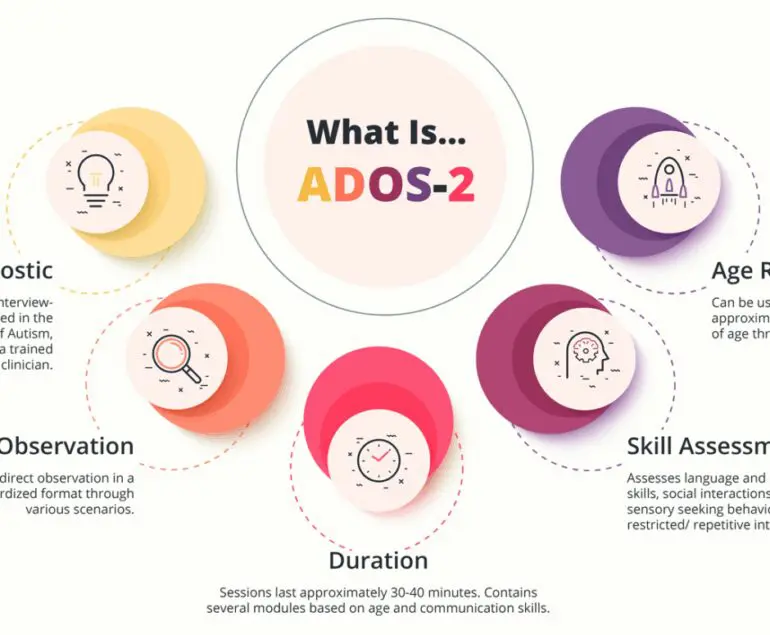
This assessment is semi structured and last for approximately 1.5 hours online. For children this involves up to 12 tasks that involve talking, back and forth conversations, discovery conversations and some tasks of reviewing a book, a picture and making up a story with toys.
Children do very well in this test when it is made interesting for them and for fluently verbal children, being on camera is less daunting than appearing in person. Every effort is made to make the assessment fun and engaging and it has a relaxed and unhurried approach.
Child ADI-R Assessment from 6 years plus:
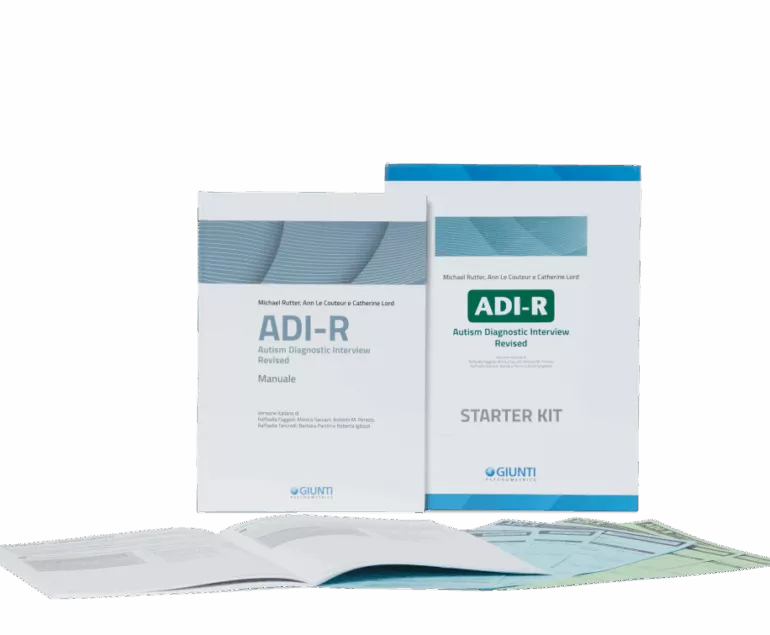
The ADI-R informant led interview is a structured interview lasting 3 hours. It has an informant that knows the subject well and information is gathered from birth to present. The ADI-R has 93 questions, and some questions have multiple probed questions. The best way to prepare for the interview is to gather information about the subject from birth to 4 to 5 years, if you were not present in their life at that time and know them better now.
The ADI-R is a highly accurate and has a research reliability standard, it is delivered by a highly skilled clinician and is algorithm based to give a high validity score of thresholds. The ADI-R Assessment is a highly respected tool and is the gold standard of autism assessment worldwide.
After the Testing Phase.
After testing the results are discussed at a multidisciplinary meeting with other healthcare professional, psychologists and speech and language. Once agreed, a report is prepared, and the patient and informant attend a diagnostic follow meeting.
Diagnostic Follow Up Meeting.
The diagnostic follow-up meeting is a 30-minute online meeting to discuss the findings of the testing phase and to deliver a diagnosis. Time is spent to explore the areas of any deficit or difficulties and suggestions onward referrals may be made at this point.
Understanding the diagnosis is paramount to obtaining the right onward care. Individual programmes for social interaction, communication and restricted and repetitive behaviours may be suggested. We always offer lifestyle advice, self-help and discovery advice and onward mental health and well-being advice.
The Patient Journey
From initial appointment to completion and delivery of a diagnosis can take up to 6 weeks as there is a great deal of information to gather, collate and test. There are three appointments to attend, and a multidisciplinary meeting takes place. A lifelong diagnosis of autism takes time, skill and precision to achieve. Your well0being is always our priority.